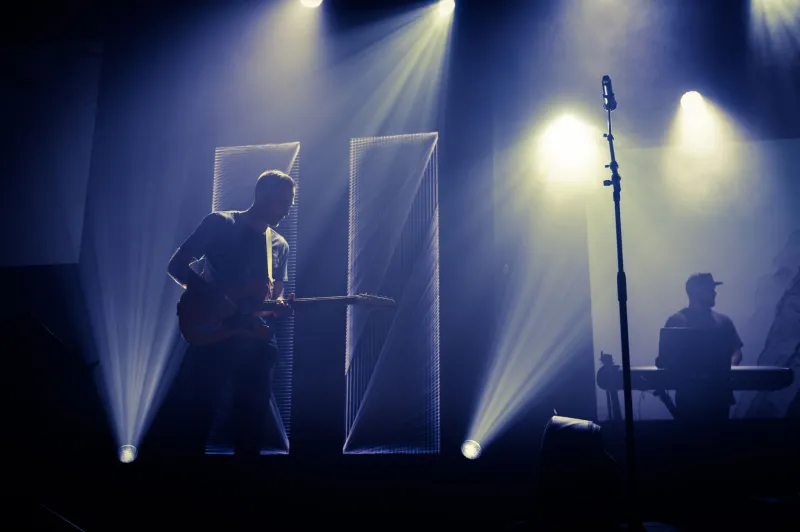
When the Music Goes Quiet Inside: Finding Your Way Back After Creative Burnout
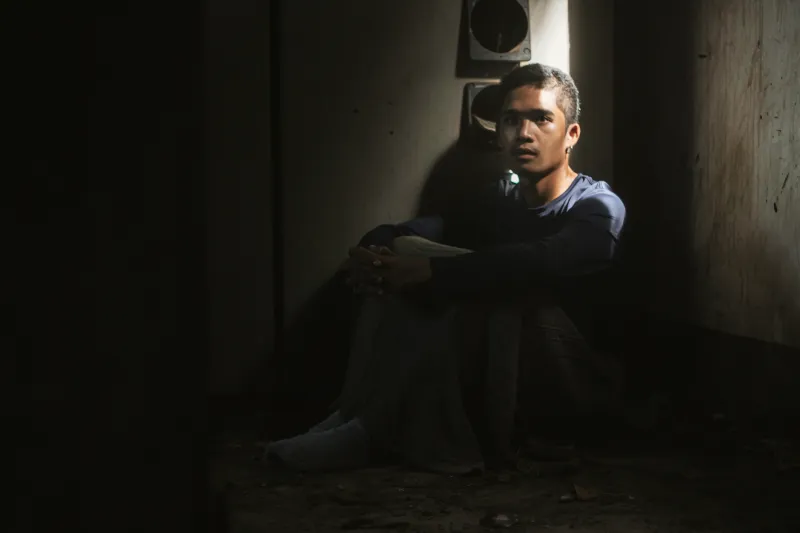
Let's be honest about something most music industry content won't touch with a ten-foot pole: there are stretches in every serious musician's life where the thing they love most starts to feel like the thing they dread most. The guitar sits in its case for weeks. The notebook with half-finished lyrics stays closed. You scroll through your streaming stats and feel nothing — not pride, not motivation, not even disappointment. Just a kind of flat, gray nothing.
That's burnout. And if you're in it right now, or you've been through it, you're not broken. You're actually in pretty good company.
What Burnout Actually Looks Like for Performers
Burnout in performance careers has some unique characteristics that set it apart from the kind of workplace exhaustion that gets discussed in corporate wellness newsletters. For starters, musicians and performers have usually built their entire identity around their craft. When the work stops feeling good, it doesn't just affect your productivity — it affects your sense of self.
Common signs of musician burnout include a loss of interest in listening to music (not just making it), difficulty finishing creative projects that would've once excited you, physical symptoms like fatigue or tension before performances, and a creeping cynicism about the industry that bleeds into your relationship with the art itself.
That last one is particularly sneaky. The music business is genuinely difficult — the economics are brutal, the gatekeeping is real, and the algorithm-driven landscape means you can pour everything into a project and watch it disappear into the void. It's easy to let frustration with the industry infect your love for the craft. But those are two separate things, and learning to separate them is one of the most important skills a working artist can develop.
The Triggers Nobody Warns You About
Some burnout triggers are obvious: relentless touring schedules, financial pressure, creative conflicts with collaborators or labels. But there are subtler ones that catch a lot of artists off guard.
Comparison culture is a big one. Social media has made it possible to watch every single career milestone of every artist you admire (or quietly envy) in real time. That constant comparative exposure is genuinely corrosive to creative confidence.
Success itself can be a trigger — which sounds counterintuitive, but makes total sense when you think about it. An album does well, a tour sells out, and suddenly there's pressure to replicate that success. The playfulness that made the work good gets replaced by anxiety about maintaining momentum.
The disappearance of the "why" is probably the most common and least discussed trigger. Most musicians started making music for reasons that had nothing to do with streams or followers or brand partnerships. They started because something in the sound moved them, because it was the only way to say something they couldn't say any other way. When the business side of a career swells large enough, that original why can get buried under it.
What Recovery Actually Looks Like (It's Not What You Think)
Here's the uncomfortable truth: you probably can't hustle your way out of burnout. More output, more content, more gigs — these aren't remedies. They're accelerants.
Recovery usually looks a lot quieter. It often involves doing less, not more. It involves giving yourself permission to be a music fan again before you try to be a music maker. Go to shows. Listen to records that have nothing to do with your genre. Let music surprise you.
Some of the most compelling creative reawakenings happen when artists deliberately step outside their own lane. A country songwriter gets obsessed with Brazilian jazz. A hip-hop producer starts taking classical piano lessons. An indie folk artist discovers they can't stop listening to 80s freestyle. These tangents aren't distractions — they're rehydration. They're reminding the creative brain what it feels like to encounter something new.
Rest is also non-negotiable. Not rest as in "a long weekend before the next project." Real rest. The kind where you're not checking your email or monitoring your playlist adds or thinking about your next release. This is genuinely hard for artists who've internalized the grind culture narrative, but it's necessary.
Lessons From Artists Who've Been There
Some of the most creatively fertile periods in music history have come on the heels of breakdown and burnout. Brian Wilson's struggles are well-documented, and the music that emerged from that darkness remains some of the most emotionally complex in pop history. Adele's extended silence between 25 and 30 produced one of the most intimate albums of the last decade. Even Beyoncé's Lemonade — arguably the most celebrated album of its era — came from a place of profound personal reckoning.
This isn't to romanticize suffering. Burnout isn't a prerequisite for great art, and nobody should let themselves spiral into crisis in pursuit of some tortured artist myth. But it is worth noting that creative struggle, when navigated with intention, can produce something that pure productivity never quite reaches: depth.
Finding Your Way Back
If you're trying to reconnect with your musical why, here are a few entry points worth trying:
Go back to the beginning. What was the first song that made you feel like music was for you? Not just something adults put on — but something that felt like it was speaking directly to your interior life? Sit with that record. Remember what it felt like to hear it.
Make something with no stakes. Record a voice memo. Noodle on an instrument without trying to write anything. Draw a picture. Bake something. The goal is to access the part of your brain that creates for the pleasure of creating, without the weight of outcome attached.
Talk to someone outside the industry. Sometimes the best perspective comes from a friend who has no idea what a sync license is and couldn't care less about your Spotify monthly listeners. Their perspective on why your music matters to them can cut through a lot of internal noise.
Be patient with the timeline. Burnout doesn't resolve on a schedule. Some artists need weeks. Some need years. That's okay. The music will be there when you're ready.
Here at Cantrell Zwetsch, we believe the soul of great performance lives in the space between sound and feeling. Sometimes you have to go quiet for a while to find your way back to both.